


The information in this website has been compiled from reliable sources, such as reference works on medicinal plants. It is not a substitute for medical advice or treatment and NParks does not purport to provide any medical advice. Readers should always consult his/her physician before using or consuming a plant for medicinal purposes.
DESCRIPTION AND ETHNOBOTANY
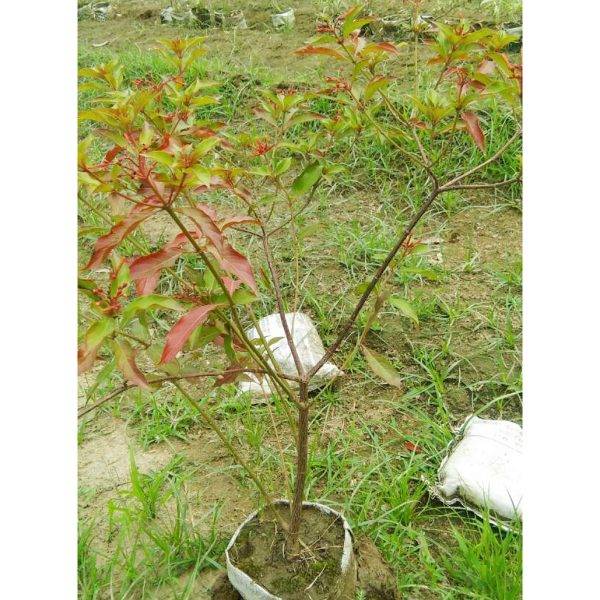
| Growth Form | A shrub or small tree with a dense crown. |
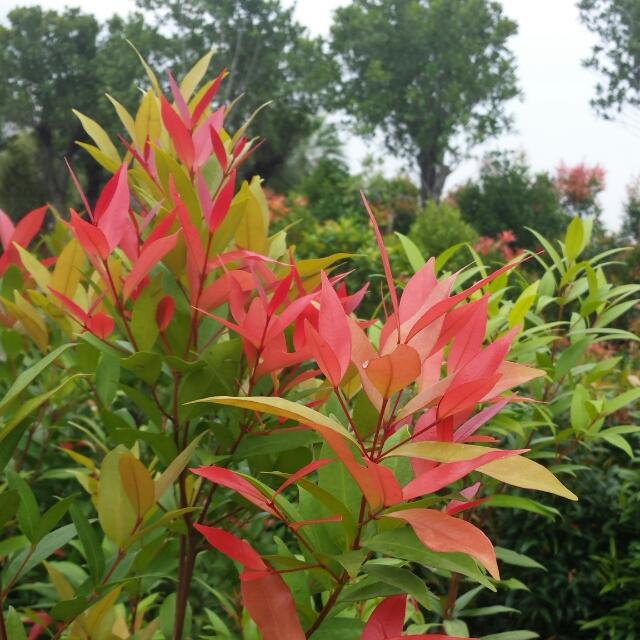
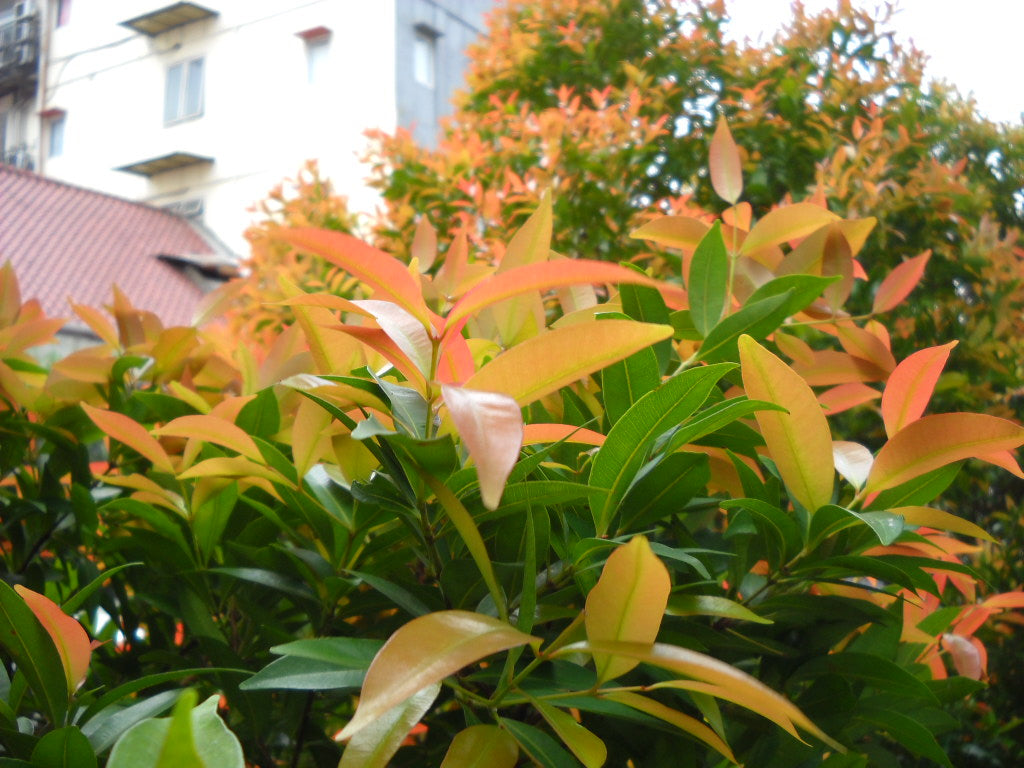
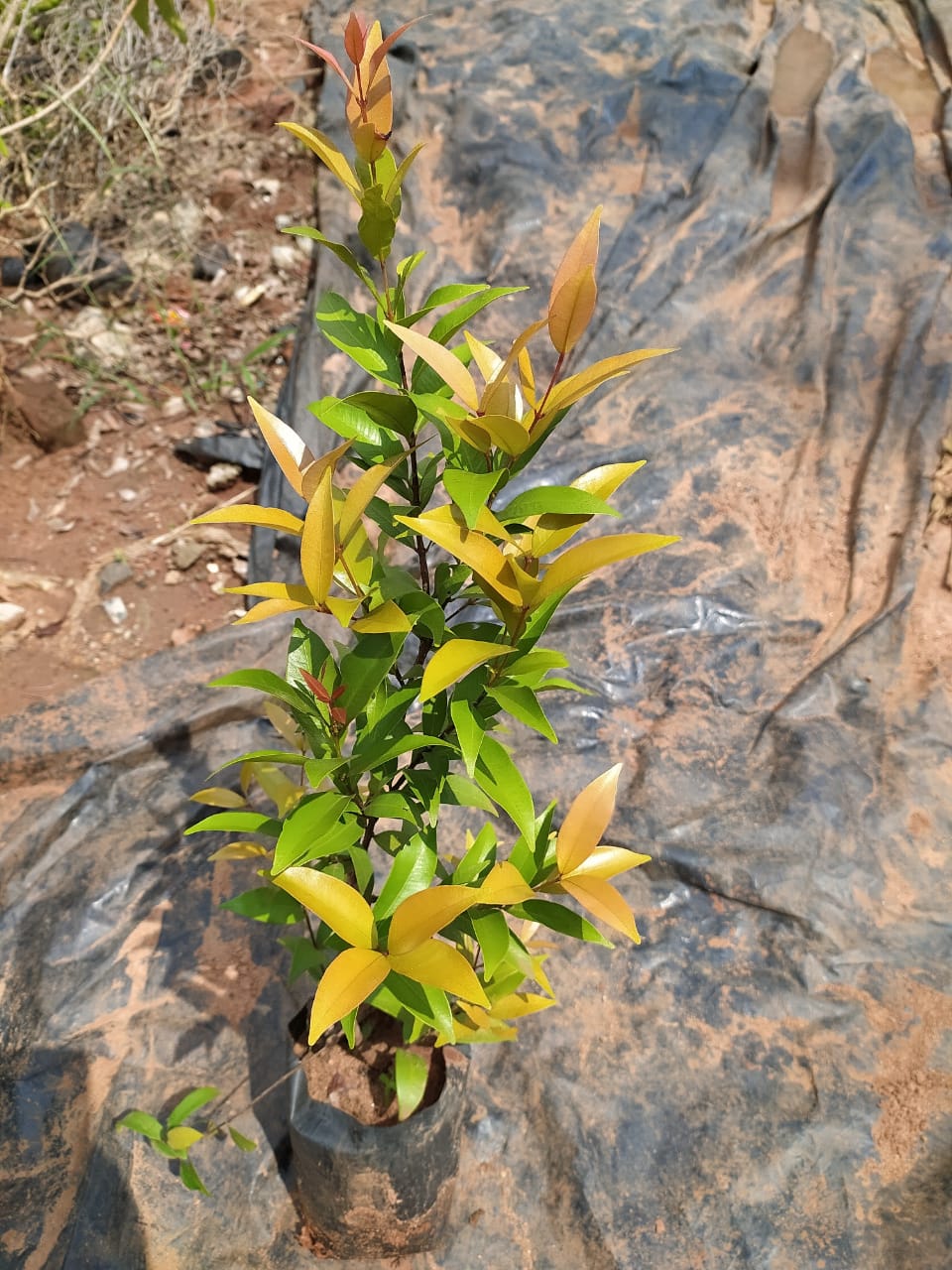
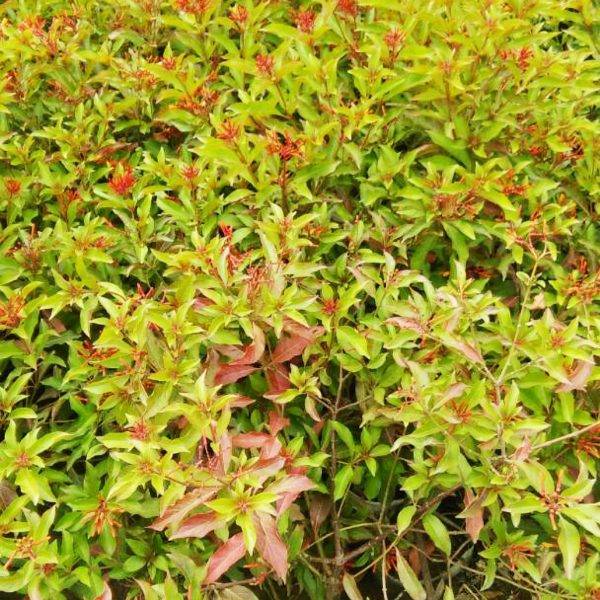
| Foliage | The foliages are oppositely arranged, with elliptical shape. The young foliages are dark red which will turn green as they mature. |
| Flowers | The flowers are bright pink in colour, clustered inflorescence. |
| Similar | It has the same form and usage as the more common Syzygium myrtifolium, which has reddish to red brown young foliage. |
| Etymology | The genus ‘Syzygium’ is derived from ‘syzygos’ (Greek for ‘joined’), which means paired, by refering to the opposite paired leaves. Specific epithet ‘myrtifolium’ means myrtle-leaved, which describes the plant’s foliar shape and texture resembling the leaves of Myrtus. |
LANDSCAPING FEATURES
| Landscaping | This plant is suitable to be planted along the streets, parks and gardens. |
| Desirable Plant Features | Ornamental Flowers, Ornamental Foliage, Fragrant (Flowers, Foliage) (Time Independent) |
| Plant & Rootzone Preference – Tolerance | Fertile Loamy Soils, Well-Drained Soils, Easy to Grow, Moist Soils, Saline Soils / Salt Spray |
| Landscape Uses | General, Roadside Tree / Palm, Hedge / Screening, Topiary, Container Planting, Parks & Gardens, Coastal, Riverine, Bonsai |
| Thematic Landscaping | Naturalistic Garden, Formal Garden |





Reviews
There are no reviews yet.